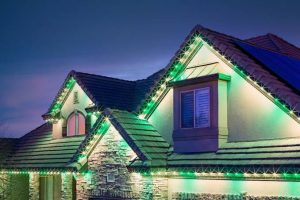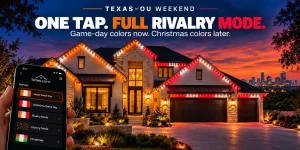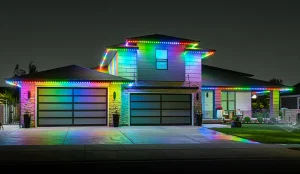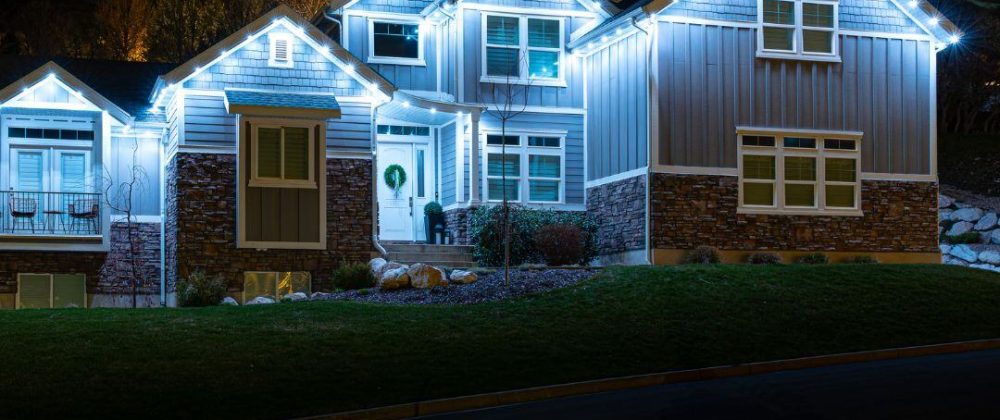
Have you ever walked into someone’s house and wondered how the lighting perfectly feels balanced? The truth is, everyone loves track lighting today. It is not just energy-efficient but modern as well. Above all, it beautifully highlights your favorite outdoor spaces or architectural features of your home.
You can easily transform your ordinary outdoor spaces, like gardens, pergolas, or backyards, into dynamic design elements while adding more focus and character to your overall space.
Yes, that’s the beauty of track lighting systems that redefine how your outdoor area feels. With the right design and different types of track lighting, your outdoor area looks high-end without over-complicating things. Whether you are upgrading your outdoors or planning to decorate any commercial space, track lighting can save you money, enhance aesthetics, and give you total control.
So, let’s break down everything you need to know about track lighting to learn why it matters and how it beautifies your outdoors.
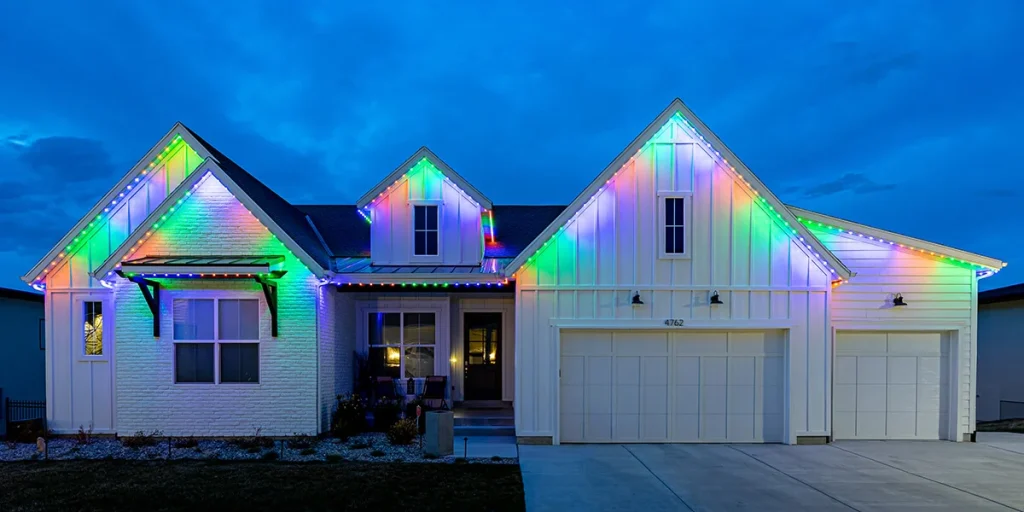
What are Track Lights?
Track lights are a combination of multiple light fixtures that are mounted on a continuous track containing electrical conductors. In simple terms, one track means a power source, and multiple light heads mean adjustable lighting points.
You can move, aim, and rotate lights based on your preferences. That’s the reason people love these lights because they are extremely flexible, easy to customize, and work in almost every space.
This means, instead of fixing these lights, you get a system that perfectly adapts to your needs.
How Does Track Lighting Work?
If you are planning to install LED track lighting in your backyard but confuse how it works, then this is for you:
When power flows from the ceiling into the track, it carries electricity through built-in conductors. Each light head is also connected to the track to draw power. When fixtures lock into place with a twist, lights can be moved and adjusted anytime.
A switcher or dimmer is responsible for controlling the system. In a nutshell, the track supplies power, and each light taps into it wherever you place it.
Understanding the Key Components of Track Lighting
If you want to understand everything about track lighting, it’s important to learn about its key components.
Track
A track is a long rail mounted on your ceiling or your wall. These tracks contain electrical wiring inside, and they come in different lengths such as 2 ft., 4 ft., 8 ft., etc. You can easily cut or extend them as well.
Track Heads
Track heads are the actual light fixtures attached to the track and can be moved along the track. The best part is that track heads can rotate and tilt and are available in different styles.
Yes, there are different types of track lighting heads, such as spotlights, pendants, etc.
Connectors
As the name suggests, connectors can be used to join several track sections. Some of their common types are:
- Straight connectors
- L-connectors
- T-connectors
- X-connectors
These types allow you to design custom shapes.
Power Feeds
Power feed is where electricity enters the light. It connects to your ceiling’s junction box and can be placed at different points on the track.
End Caps
End caps are placed at the end of tracks. They protect exposed wiring and perfectly finish the look.
Mounting Hardware
This includes:
- Screws
- Anchors
- Mounting plates
These points secure the track to the ceiling.
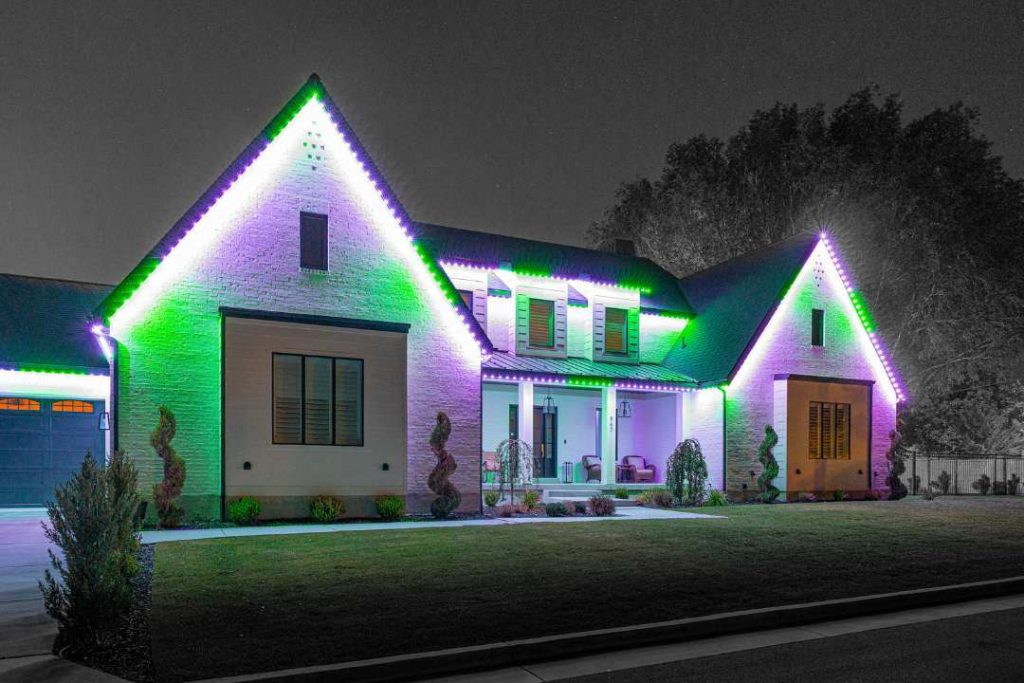
Types of Track Lighting
The good news is that track lighting is available in different types. Some of the common ones are:
Monorail Track Lighting
Monorail track lighting is ideal for unique layouts and creative spaces. It is quite flexible and can be curved into several shapes. Moreover, it is ideal for modern designs.
Architectural Track Lighting
Architectural track lighting is high-end and often used in commercial or residential projects. Plus, it is designed to blend seamlessly with ceilings.
Standard Linear Track Lights
Standard linear track lights are best for home use. They are simple, easy to install, and functional. They are available in a straight track, which is most common.
Rail Lights
Rail track lighting is more decorative than standard track systems. They feature stylish rails and visible connectors. Moreover, they combine style and functionality.
Track Lighting Layout Styles
Remember, you are not just stuck with a straight line. There are other options too, such as:
Straight Track
It’s simple and clean, and best for narrow spaces
L-Shaped Track
Works well in corners
U-Shaped Track
Covers larger areas
Grid Layout
Ideal for commercial spaces
Bulb Types Used in Track Lighting
Your lighting performance mainly depends on the bulb types you use.
LED (Best Choice)
- Energy-efficient
- Long lifespan
- Low heat
Halogen
- Bright and crisp light
- Gets very hot
Incandescent (Not So Common)
- Warm glow
- Short lifespan
LED is comparatively the best option that consumes less energy and offers excellent performance.
Voltage and Electrical Basics
Now this is where many people get confused and can’t decide what to do next. Let’s simplify it:
Track lighting runs on two voltage types. Line voltage and low voltage.
Line voltage runs directly on standard household electricity, and you don’t need a transformer for that. Here are its pros & cons:
Pros:
- Easier installation
- Lower upfront cost
Cons:
- Slightly less energy-efficient
However, low-voltage track lighting requires a transformer and converts power from 120V to low voltage.
Pros:
- More energy-efficient
- Brighter, more precise light
Cons:
- Higher cost
- More complex installation
So, if you are using track lighting for the home, line voltage is enough. But if it’s accent or professional lighting, then low voltage is a better choice.
How to Replace Track Lighting Fixtures?
If you want to replace track lighting fixtures, follow these steps:
- Turn off the power at the breaker before starting
- Let the existing fixture cool down if it was recently used
- Rotate or unlock the fixture from the track to release it
- Gently remove the old light head from the track
- Align the new fixture with the track slot
- Push and twist it into place until it locks securely
- Turn the power back on and test the new light
- Adjust the angle or direction as needed
Advantages and Disadvantages of Track Lighting
Track lighting comes with lots of advantages and just a few disadvantages as well. Let’s discuss:
Advantages of Track Lighting
- Highly flexible, moves lights anytime
- Customizable, mix-and-match options available
- Easy installation process
- Space-saving solution
- Perfect for outdoors, such as gardens, patios, backyards, etc.
- Sleek and contemporary design
Disadvantages of Track Lighting
Everything is not 100% perfect. Some of its downsides are:
- Can look cluttered
- Limited brightness
- Cost can add up
Compared to its advantages, these disadvantages are not very significant, as they can be adjusted and fixed. The only thing is to choose a reliable professional for perfect installation so that they offer good quality products, make them look neat, and offer affordable prices.
Track Lighting Standards
Let’s talk about track lighting standards before you decide to buy.
H-Type
It’s a commonly used track lighting system in residential & commercial spaces
J-Type
A slightly different connector system is used in some older installations
L-Type
An older-style track system that is still found in certain legacy setups
Not Interchangeable
These systems are not compatible with each other and cannot be mixed
Matching Parts
Tracks, heads, and connectors must all belong to the same type
Usage Check
Confirm the system type before purchasing or upgrading components
Cost of Track Lighting
Another important question: What are the costs of track lighting? Well, it depends on quality and setup.
Typical Costs:
- Basic systems: Affordable
- Mid-range: Moderate
- High-end/custom: Expensive
Factors affecting cost:
- Length of track
- Number of fixtures
- Type of bulbs
- Installation complexity
Consult with Capital Trimlight professionals for exact cost details.
Is Track Lighting Right for You?
Track lighting is an ideal option if you really like modern aesthetics and are looking for an adjustable outdoor lighting solution. They work great if you like a flexible system and want an easily programmable & controllable solution.
However, they are not right if you are looking for a traditional look or want some soft or diffused lighting.
Final Thoughts
Track lighting is a simple yet powerful way to bring flexibility and style into any space. Whether you’re working with a home, office, or commercial setting, it allows you to control light exactly where you need it while keeping the design clean and modern. With so many types, configurations, and customization options, it’s easy to create a setup that fits both your function and aesthetic.